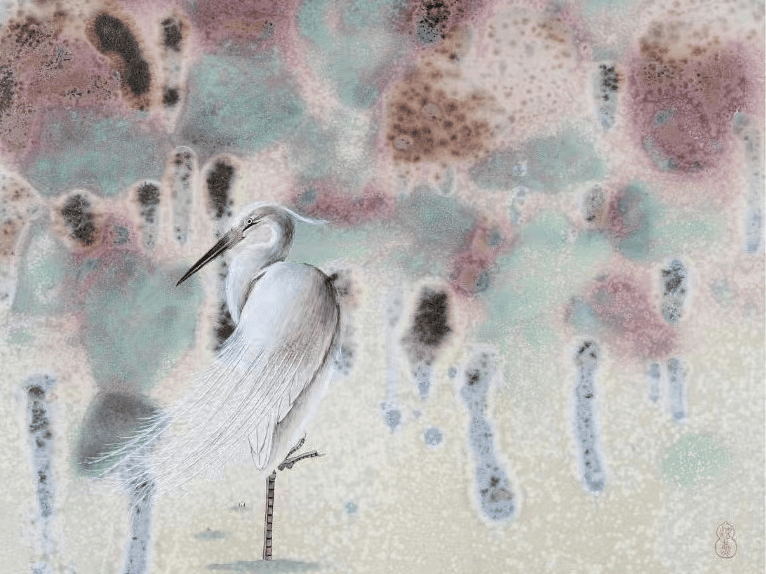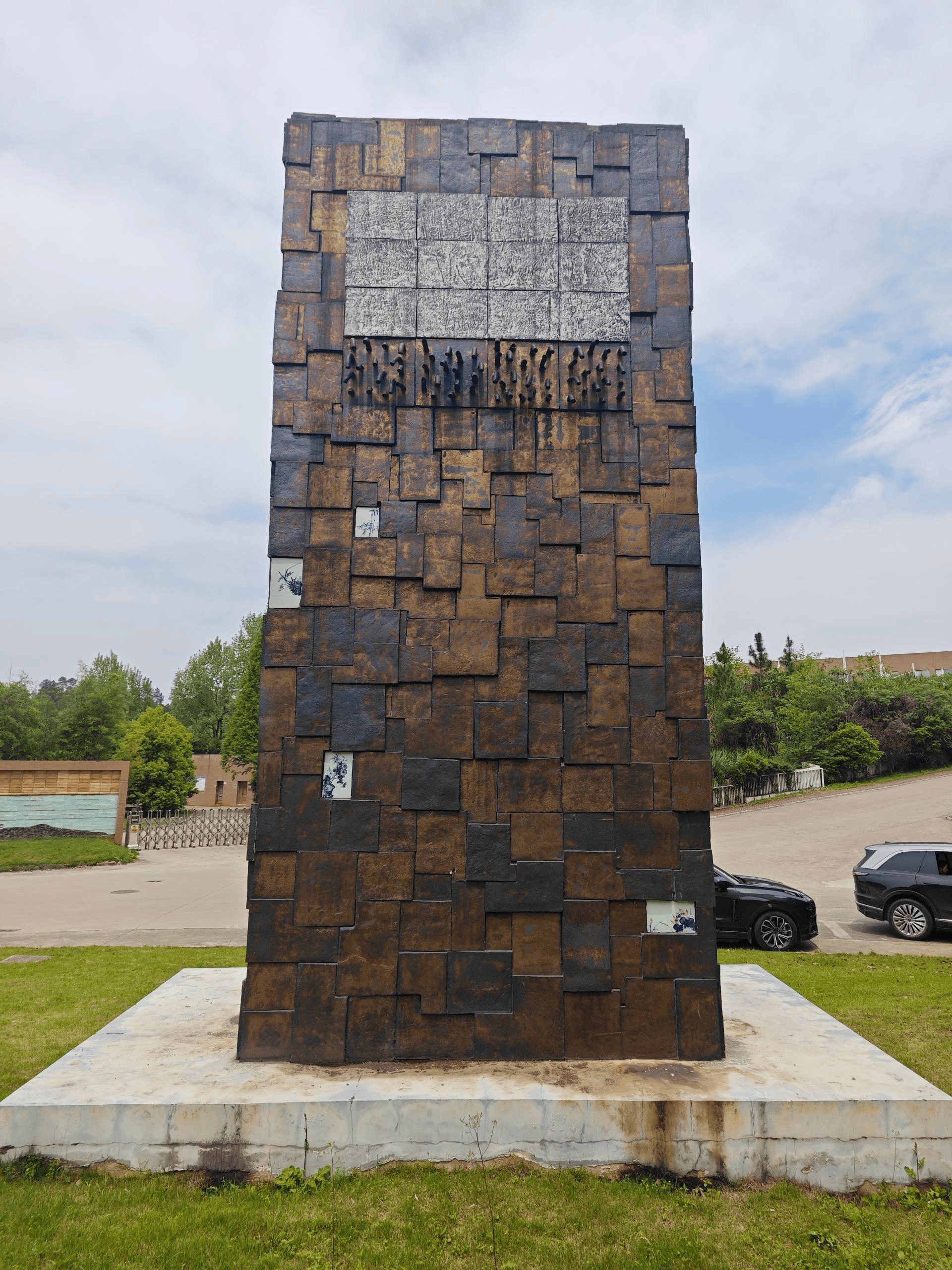
Stoneware figure represents a extraordinary expression genre with a considerable past, covering back legions of centuries. From ancient jars to modern arrangements, the stuff offers unparalleled possibilities for creative articulation. Sculptors utilize different techniques – including assembling, wheel operating, and sophisticated firing processes – to shape humble soil into pleasing three-dimensional pieces. The permanence of fired stoneware also contributes to its status as a truly memorable part of human society.
Investigating Earthenware Shield Layouts and Ways
The world of ceramic tile design offers a expansive array of imaginative possibilities. Artisans often exercise a assortment of established and modern techniques to produce visually impressive pieces. These can span from simple, molded reliefs to complex, multi-layered structures. Widely practiced methods include template molding, manual forming, enameling – which can involve numerous techniques like painting before firing, top glaze design, and incised illustration where designs are highlighted by stripping a layer of surface. Extra analysis into decorative coatings such as flash firing and gloss finish can create truly one-of-a-kind and individualized pottery plaques.
- Mold Fabrication - Generating pieces using a design
- Artisanal Molding - Accurately crafting the dirt
- Glazing - Applying the external area with a silky finish
- Engraved motif - Exposing designs by scraping surfaces
Entrancing Experiences: Porcelain Art Exhibits
The maturing landscape of visual arts presents exciting original avenues for audiences, and ceramic art installations are at the summit of this revolution. These aren't just static forms; they are fabricated to envelop the viewer in a sensory atmosphere. Imagine walking through a forest of towering, decorated ceramic trees, or navigating a web of delicate ceramic vessels. Many artisans are now incorporating music, luminescence, and even odor to enhance the sensation of their work. Reflect on the power of a room filled with hundreds of uniquely ceramic artifacts, each telling a chronicle. Often, such installations analyze themes of the earth, heritage, and the individual.
- These particular installations blur the divisions between sculpture and building.
- Experiencing a ceramic art installation can be a deeply profound journey.
- Creators are exploring the boundaries of what is feasible with clay.
The Elegance of the Ceramic Jar: Function and Structure
The brick container represents a impressive combination of convenience and artistic appeal. Historically, these holders served a primary task in maintaining contents, but their transformation has transformed them into highly valued works of handiwork. Each piece showcases the proficiency of the creator, demonstrating how shape can be as vital as service. The deliberate shaping, the exceptional glazes, and the comprehensive presence of a beautifully-crafted urn can upgrade a space, offering both allure and a subtle reminder of the artisan’s hand.
Contemporary Clay Creation : Testing Boundaries
Current stoneware figure represents a fascinating development from classic practices. Makers are boldly innovating with modern methods, dissolving the separations between pottery and distinct aesthetic domains. From colossal installations to intricate miniature pieces, such works examine themes of persona while parallelly remodeling the basic of what brick can represent. The outcome is a vibrant world of imaginative manifestation.
Pottery Marker: Protecting Past in Earthenware
Earthenware plaques offer a special method for registering significant events and individuals. Contrasted with traditional metal or stone markers, these resilient pieces of design are formed from baked clay, creating a physical link to the past. Often, they illustrate intricate models or precisely drawn imagery, communicating stories that might otherwise be neglected. These technique, coming from ancient cultures, provides Ceramic Cup Set a aesthetically pleasing and unfading way to acknowledge our collective heritage.
- Those can be installed in public spaces.
- Scores of are now acknowledged historical heirlooms.
Clay Art Displays: Modifying Settings
Earthenware art installations are growing a meaningful medium for makers to reinvent public and private venues. These immersive projects frequently involve extensive clay objects that draw viewers, changing their experience of the built environment. By integrating diverse processes like hand-building and complicated firing approaches, ceramic artists create truly extraordinary experiences, breaking down the divisions between art and location. The result is often a moving modification that improves the visual quality of the venue and inspires discussion.
Start Spin Tool to Spectacle: The Craft of the Porcelain Vase
The journey of a pottery vase from a simple lump of mud to a finished work of creation is a testament to human craftsmanship. Conventionally, the process kicks off with the potter’s turntable, where the expert artisan forms the twisting mud into a cylindrical contour. This foundational step demands cleverness and a sensitive eye, followed by a delicate setting period. Once bisque-fired, the container is ready for finishing, which may include coating intricate figures, engraving detailed depictions, or implementing a assortment of varnishes. The closing firing process then changes the product into a durable and eye-catching pot, a tangible manifestation of the builder's passion.
Working with Stoneware: A Course to Brick Craft
Investigating the field of porcelain art begins with grasping the principles of forming with terracotta. One process entails meticulously applying and excising stuff to create three-dimensional objects. Whether you're a novice or a skilled artisan, exploring with multiple categories of porcelain – notably brick – will promote you locate your unique approach. After all, porcelain shaping is a valuable undertaking that connects dexterous know-how with expressive exhibition.