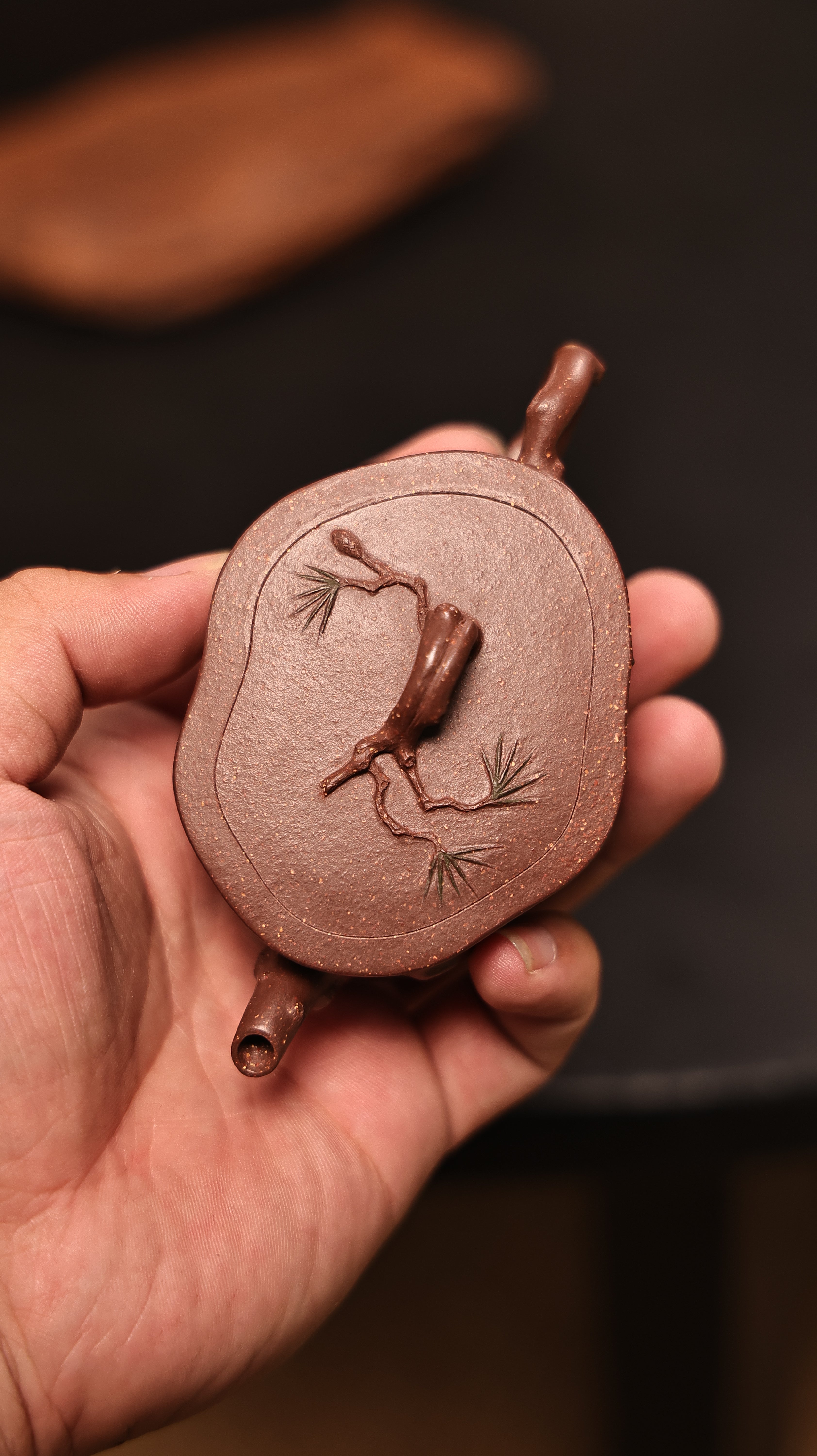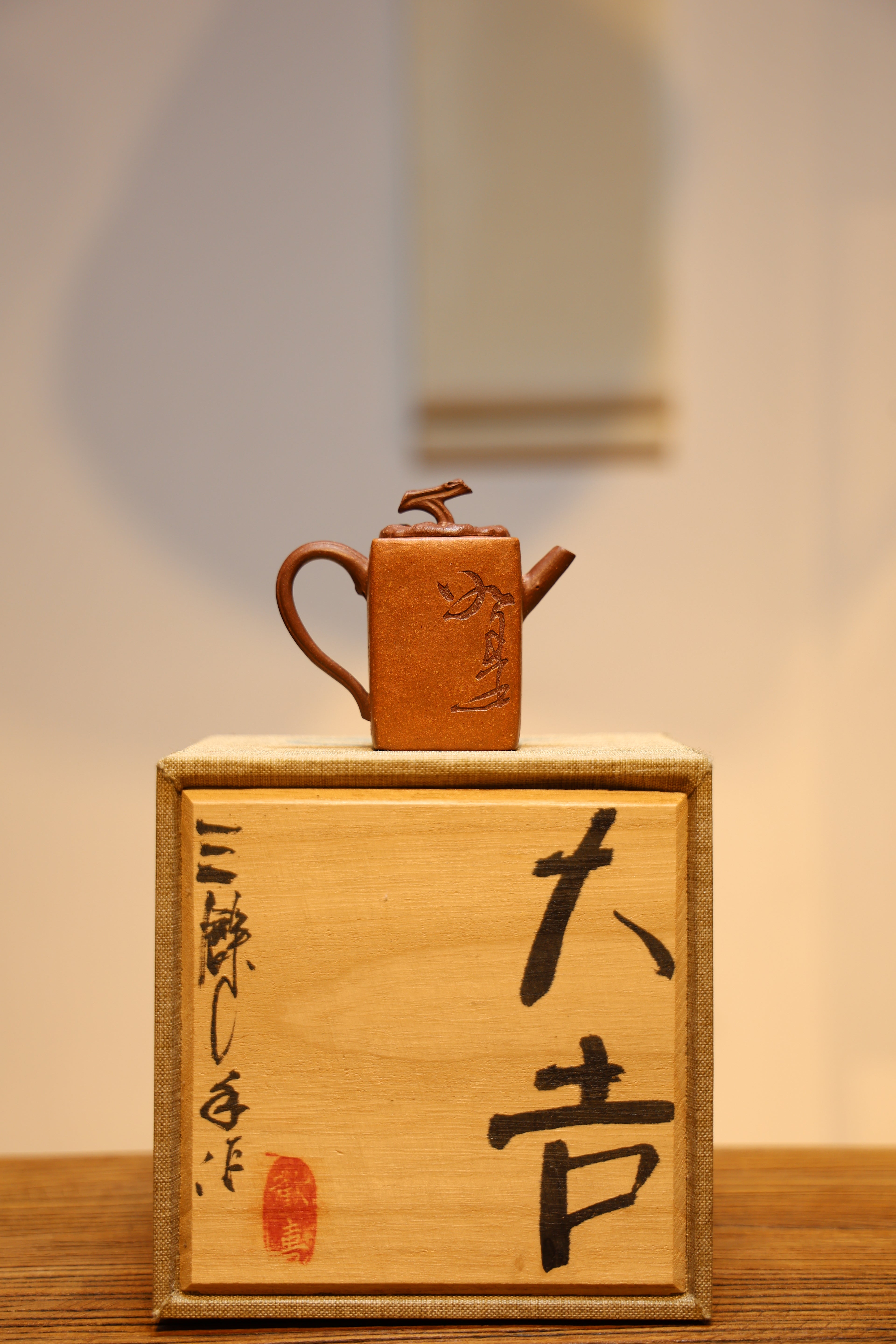
Everlasting legacy shapes Eastern mugs around epochs,
Expressing exclusive properties collected through territorial lavender elements, the pitchers yield a layer during consumption, amplifying profile yielded from made potions.
Acknowledging Yixing Sediment: Exhaustive Insights into Zisha
Varied collectors value the special feel of Yixing purple clay, a cornerstone of enduring Chinese craft. Emanating from the Yixing region of Jiangsu province, this uncommon clay exhibits an detailed mineral makeup, in order that furnishes excellent qualities to the produced pots. Variants within Zisha, including Zi Mud, Duan Ni Mud, and Jiang Xi Mud, each provides individual hues, textures, and processing traits, modifying the airflow and the conclusive taste maturation of the drink.
Eastern Carafe Usages: Discovering Craftsmanship
Eurasian teapots embody greater than mere vessels for concoction; they exemplify centuries of traditional mastery. From the celebrated Yixing clay variations, respected for their absorbent nature which gives unmatched flavors to the drink, to the subtle porcelain from Jingdezhen, each piece narrates a record of devotion. The forming process is an detailed journey, often bequeathed through generations of experts. These craftsmen use established approaches such as hand-building, designing on wheels, and detailing, demonstrating profound reverence for the medium and the trade itself. Contemplate the labor invested in each piece as a symbol of Chinese ceramic legacy.
- Chinese teapots: a distinguished selection.
- Translucent pottery teapots: celebrated for their fine design.
- Crafting techniques: a difficult yet fulfilling procedure.
Fine Purple Vessel Upkeep: Preserving Your Precious Object
Suitable care of your esteemed Yixing Zisha teapot is important to securing its value. Crafted from famous purple sand sediment, these remarkable teapots accumulate a appealing patina after application, markedly boosting their allure. Prevent soaps; a delicate rinse with pleasantly warm water is enough. Shun steaming water for washing the teapot, as it may break its fabric. Allow it to dry away from harsh sun beams. Consider familiarizing your teapot regularly using fine tea, especially dark varieties. Here is a brief checklist:
- Swill with comfortably warm hydrous substance.
- Refrain from cleaners.
- Enable it to become free of moisture.
- Prepare with high-quality tea.
Heritage of Yixing Teapots: From Simple Starts
The tale of Yixing teapots commences plainly during the Qing dynasty, close to the 16th age. Initially, these objects were not the coveted objects they are perceived today. They were shaped by territorial potters using the particular purple clay gathered solely in the Yixing vicinity. These early artifacts were mostly utilitarian, targeted for usual operation and often unadorned in configuration. It was not until the following dynasty that they initiated to earn fame beyond mere practical wares.
Selecting the Fitting Native Jar: A Introductory Introduction
Entering the domain of Yixing teapots can be daunting, but do not fretting! For rookies, the fundamental factor is understanding the earth. Real Yixing clay is prized for its porosity, allowing the teapot to collect the tea's profile over time, refining every infusing session. Think about the profile; traditional orbicular shapes prevail, yet distinct preferences count. Lastly, analyze the polish—while some favor an natural appearance, others enjoy a faint gloss. Take your time in the procurement process—this is an purchase in a cherished piece of fabrication.
Chinese Purple Containers and Their Influence on Chinese Concoction Heritage
Zisha teapots, produced from Yixing, China, have profoundly transformed traditional Chinese concoction culture. These Yixing clay teapots, prized for their recognizable tint, grain, and exceptional ability to impart a subtle note to the brew, stand as more than mere ware; they are esteemed treasures and symbols of importance. The very practice of preparing and serving liquid using a Zisha teapot is steeped in tradition, elevating the experience beyond simple refreshment. Sagas of artisans have refined their techniques, passed down through progenies, resulting in highly sought-after pieces. Because of this, Zisha teapots are frequently gathered, playing a crucial part in cultivating Chinese appreciation for aesthetics and the tradition of tea ceremonies.
- Signature Clay Composition
- Conveying Subtle Flavor
- Beautiful Craftsmanship
Recognizing Certified Special Native Pieces
Obtaining a verified Yixing teapot can be a fruitful experience, but the trade is often flooded with replicas. Discerning between a true antique and a new reproduction requires exact inspection. Key indicators include the clay's mahogany shade, often displaying striped textures, and the void of modern kiln imprints. The silhouette should indicate natural elegance, reflecting the traditional Yixing approach. Finally, reviewing the potter's stamp is fundamental to verify certainty against known Yixing Zisha Teapot archives.
- Assess the clay's surface.
- Look for flaws, indicative of artisan quality.
- Request an advisor for confirmation.
Purchasing Purple Kettles: A Detailed Reference to Earthenware Review
The market of 宜兴 Zisha containers delivers a noteworthy circumstance for astute enthusiasts. Steadily, the valuation of these well-made artifacts is steered by various factors, such as the grade of purple clay, the mastery of the creator, the heritage weight, and, naturally, the contemporary appetite. Apprentices should familiarize themselves on grasping the numerous characteristics of Zisha clay—such as Icy Wave, Du Ning, and Hong Ni—and getting acquainted with the characteristics linked to each. Meticulous inspection of the item's outline, tint, and logo is similarly fundamental to make wise conclusions when investing.