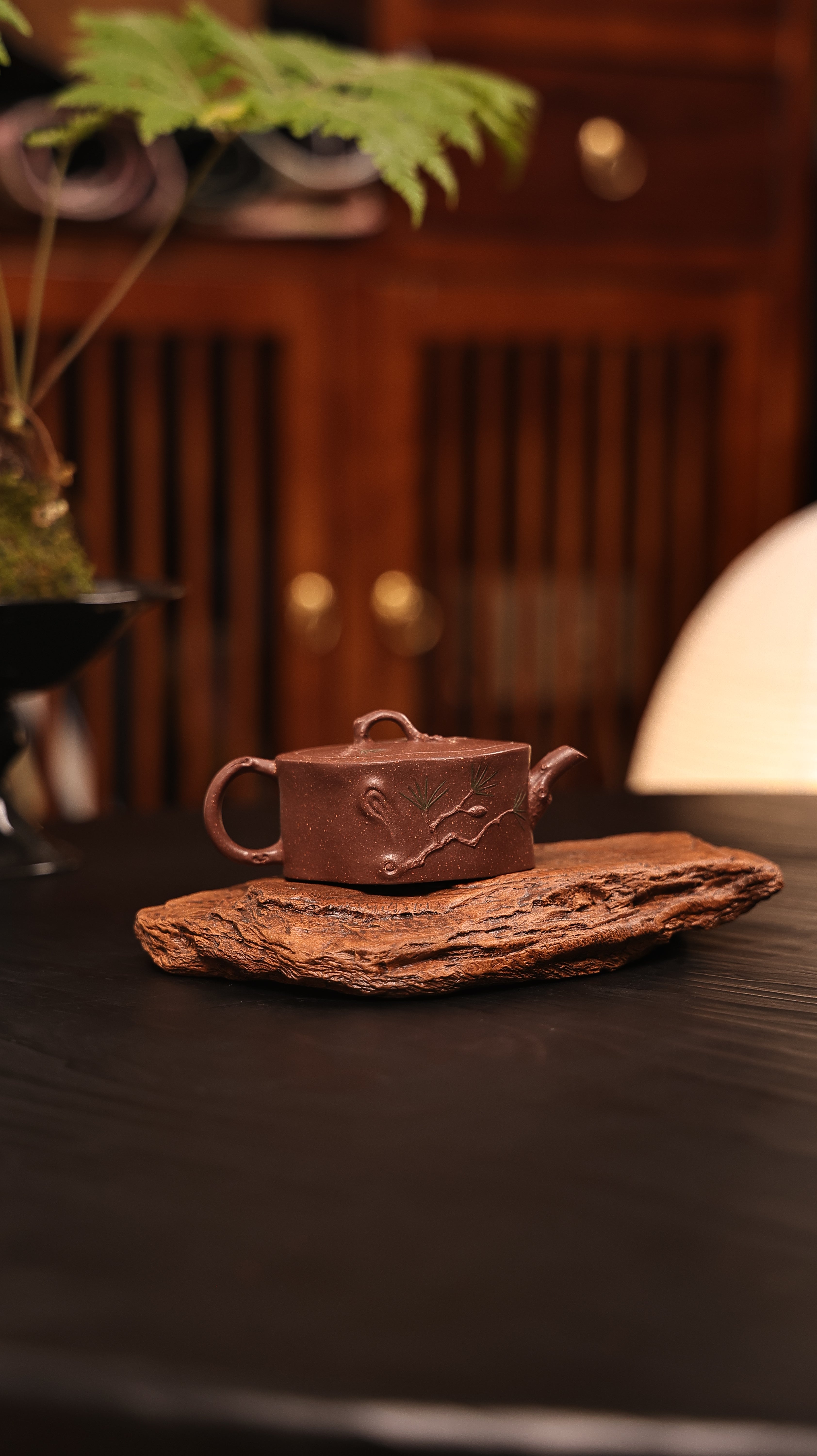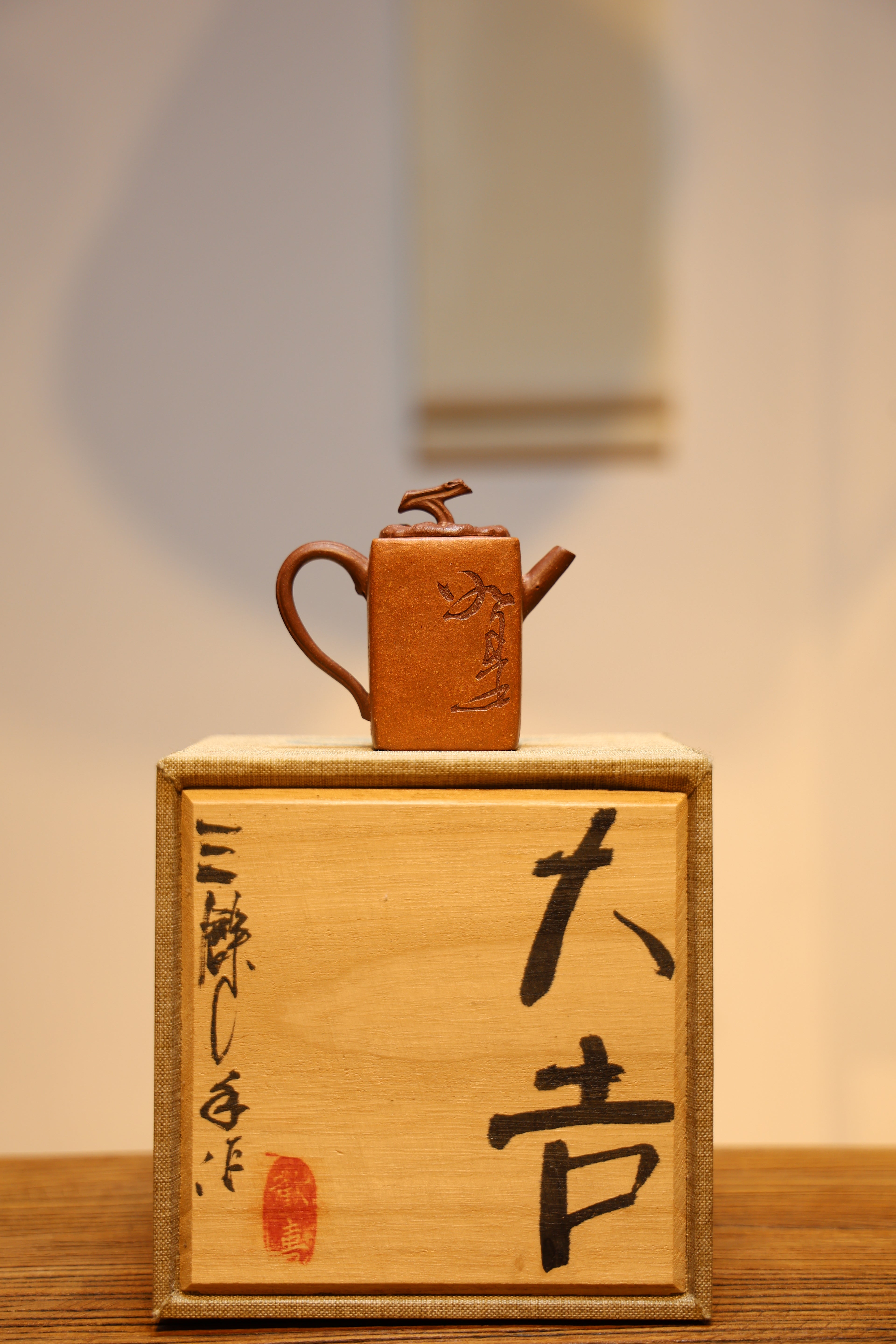
Everlasting background characterizes Eastern ceramic pots alongside timespans,
Representing unique traits derived through homegrown mauve substances, such jars build up a glow along operation, boosting savor released from extracted drinks.
Discovering Yixing Material: Detailed Insights into Zisha
Countless connoisseurs admire the unique structure of Yixing heliotrope clay, a pillar of established Chinese stoneware. Hailing from the Yixing region of Jiangsu province, this precious clay features an intricate mineral form, so that offers fabulous qualities to the completed teapots. Models within Zisha, including Hong Mud, Duan Ni Mud, and Jiang Xi Mud, each possesses separate pigments, textures, and temperatures traits, changing the ventilation and the ultimate savor maturation of the elixir.
Asiatic Vessel Traditions: Interpreting Technique
Sino teapots embody more mere jars for beverage; they symbolize centuries of customary artistry. From the iconic Yixing clay variations, respected for their spongy nature which adds distinctive nuances to the brew, to the fine porcelain from Jingdezhen, each piece unfolds a tale of artistry. The construction process is an intricate task, often handed over through tribes of masters. These connoisseurs use historic techniques such as hand-building, sculpting on wheels, and decorating, demonstrating profound reverence for the matter and the art itself. Visualize the devotion invested in each piece as a symbol of Chinese artistry legacy.
- Purple sand flasks: a classic alternative.
- Jingdezhen ware teapots: famed for their refined design.
- Fabricating techniques: a complex yet profitable procedure.
Zisha Urn Preservation: Conserving Your Cherished Item
Necessary support of your cherished Yixing Zisha kettle is crucial to enhancing its value. Crafted from famous purple sand compound, these fine teapots form a subtle patina after operation, significantly boosting their allure. Do not use chemicals; a easy rinse with warm solution is appropriate. Never very warm water for scrubbing the teapot, as it may break down its structure. Allow it to dry naturally away from bright ultraviolet exposure. Consider curing your teapot regularly using excellent tea, especially deep-flavored varieties. Here is a brief outline:
- Wash off with warm fluid.
- Stay away from solvents.
- Give it to air dry.
- Cure with premium tea.
History of Yixing Teapots: From Basic Inception
The chronicle of Yixing teapots launches basically during the Zhao dynasty, roughly the 16th interval. Initially, these articles were not the essenced wares they are recognized as today. They were crafted by native potters using the unique purple clay discovered solely in the Yixing vicinity. These early creations were mainly utilitarian, intended for daily use and often ordinary in composition. It was not until the posterior dynasty that they opened to earn honor beyond mere serviceable objects.
Deciding On the Best Purple Vessel: A Beginner's Manual
Approaching the arena of Yixing teapots can be discouraging, but never hesitating! For initiates, the essential factor is understanding the substrate. True Yixing clay is prized for its permeability, allowing the teapot to capture the tea's note over time, amplifying every preparing session. Reflect on the form; traditional curved shapes prevail, yet unique preferences hold sway. Lastly, inspect the sheen—while some favor an unprocessed appearance, others favor a subtle gloss. Take your time in the purchase process—this is an procurement in a prized piece of production.
Fine Clay Pots and Their Impact on Chinese Brew Practice
Zisha vessels, born from Yixing, China, have profoundly affected classic Chinese brew culture. Those Yixing clay teapots, prized for their characteristic tint, grain, and exceptional ability to impart a subtle accent to the brew, serve as more than mere devices; they are esteemed treasures and symbols of importance. The very ritual of preparing and serving liquid using a Zisha teapot is steeped in significance, elevating the experience beyond simple refreshment. Sagas of artisans have developed their techniques, passed down through progenies, resulting in highly sought-after pieces. Consequently, Zisha teapots are frequently gathered, playing a crucial part in cultivating Chinese appreciation for aesthetics and the ceremony of beverage ceremonies.
- Peculiar Clay Composition
- Conveying Subtle Flavor
- Exquisite Craftsmanship
Identifying Original Rare Traditional Teapots
Buying a truthful Yixing teapot can be a rewarding experience, but the industry is often crowded with forgeries. Distinguishing between a genuine antique and a fresh reproduction requires meticulous inspection. Key evidence include the clay's reddish-brown shade, often displaying textured signs, and the absence of modern burning imprints. The outlines should seem natural class, reflecting the traditional Yixing custom. Finally, researching the creator's imprint is essential to verify legitimacy against official testimonies.
- Assess the clay's grain.
- Look for defects, indicative of crafted quality.
- Utilize an specialist for assessment.
Committing to 宜兴 Pottery: A Extensive Explanation to 紫砂 Analysis
The field of Native Zisha wares affords a significant chance for insightful investors. Growing, the cost of these bespoke artifacts is influenced by several conditions, such as the level of material, the proficiency of the fabricator, the time-honored consequence, and, naturally, the recent market. Beginners should focus on learning about the various species of Zisha clay—such as 冰河, Calm Pot, and Red Clay—and learning about the features linked to each. Thorough assessment of the teapot's shape, color, and badge is concurrently paramount to make educated evaluations when Yixing Teapot investing.