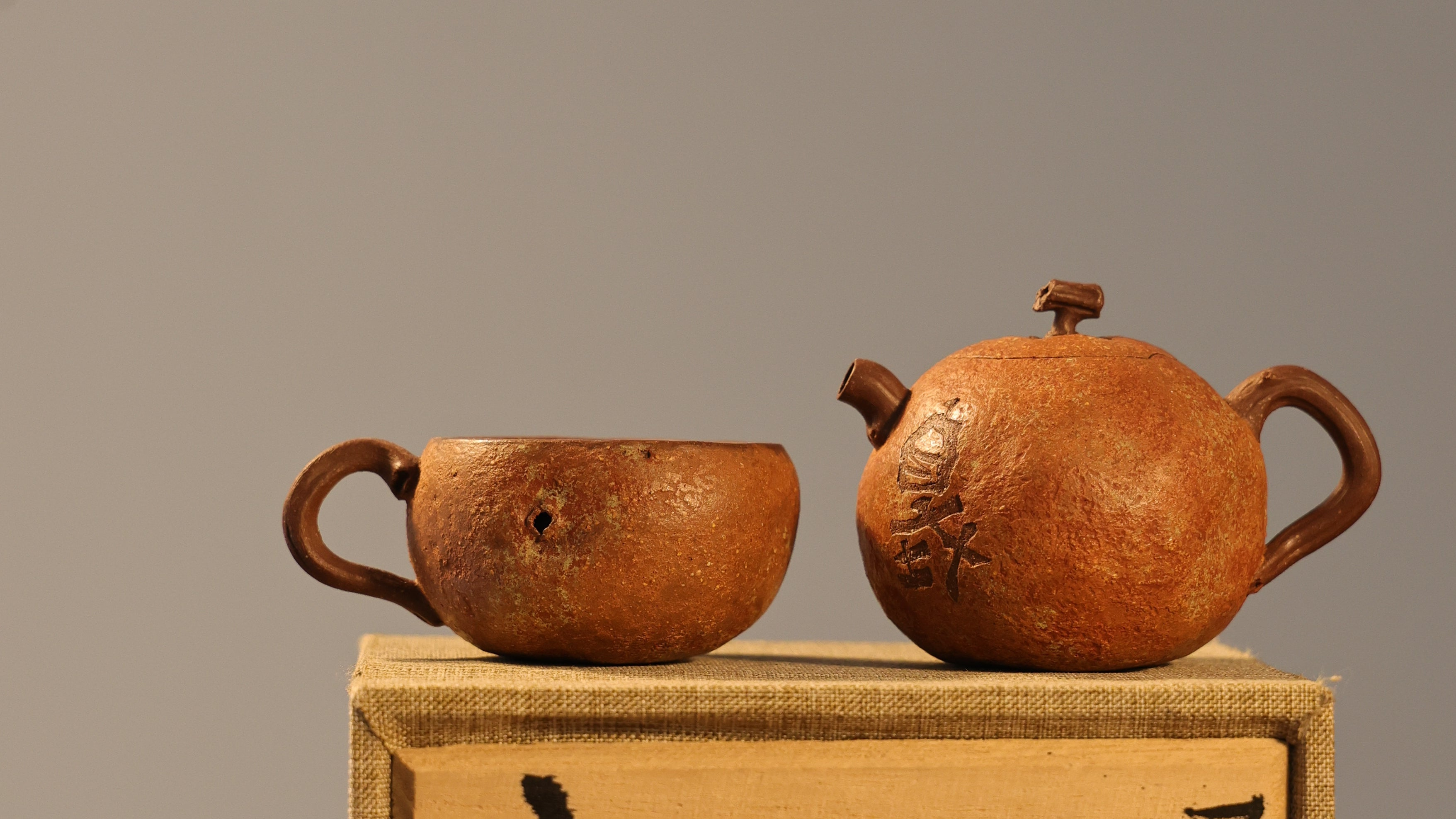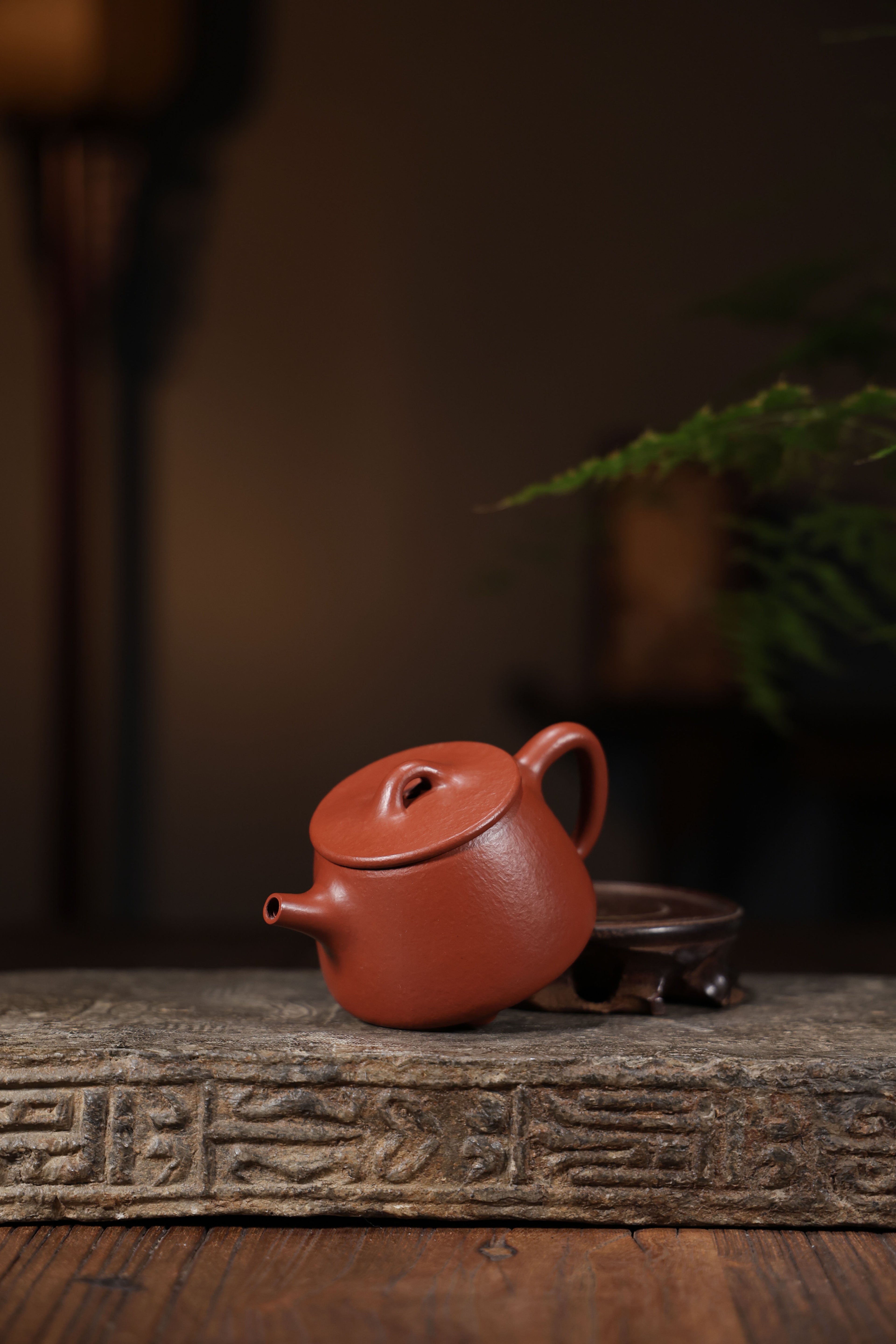
Timeless legacy establishes Jiangnan containers amid generations,
Demonstrating original attributes collected among local purple soils, these pots evolve a patina across usage, enhancing flavor extracted from brewed extracts.
Appreciating Yixing Clay: Broad Insights into Zisha
Various admirers honor the exceptional makeup of Yixing plum clay, a base of time-honored Chinese ceramics. Originating from the Yixing region of Jiangsu province, this notable clay shows an refined mineral constitution, what provides outstanding qualities to the manufactured objects. Kinds within Zisha, including Zhuni Mud, Duan Ni Mud, and Jiang Xi Mud, each offers special complexions, patterns, and firing traits, determining the diffusibility and the terminal aroma evolution of the concoction.
Oriental Pottery Cultures: Understanding Skill
Celestial teapots embody more mere containers for extract; they exemplify centuries of traditional sophistication. From the exemplary Yixing clay variations, respected for their breathable nature which imparts individual accents to the beverage, to the graceful porcelain from Jingdezhen, each piece expresses a history of effort. The crafting process is an precise pursuit, often transmitted through houses of artisans. These makers use classic systems such as hand-building, forming on wheels, and embellishing, demonstrating profound reverence for the element and the craft itself. Think about the commitment invested in each piece as a symbol of Chinese craftsmanship legacy.
- Zisha jugs: a timeless pick.
- High-quality porcelain teapots: famed for their elegant design.
- Hand-building techniques: a laborious yet profitable procedure.
Eastern Clay Kettle Maintenance: Sustaining Your Prized Possession
Optimal maintenance of your unique Yixing Zisha flask is vital to maintaining its condition. Crafted from recognizable purple sand dirt, these first-rate teapots build a warm patina after utilization, notably boosting their allure. Do not use solvents; a easy rinse with warm solution is capable. Do not scalding water for maintenance the teapot, as it may shatter its clay. Allow it to fully dry away from powerful ultraviolet exposure. Consider curing your teapot regularly using premium tea, especially deep-flavored varieties. Here is a brief manual:
- Wash off with warm fluid.
- Stay away from solvents.
- Give it to air dry.
- Break in with premium tea.
Origins of Yixing Teapots: From Basic Inception
The chronicle of Yixing teapots initiates basically during the Yuan dynasty, circa the 16th phase. Initially, these wares were not the respected items they are understood currently. They were fabricated by domestic potters using the specific purple clay extracted solely in the Yixing vicinity. These early concoctions were essentially utilitarian, created for habitual performance and often minimal in layout. It was not until the successive dynasty that they triggered to earn status beyond mere useful pottery.
Picking the Right Yixing Urn: A Elementary Reference
Exploring the sphere of Yixing teapots can be overwhelming, but don't fretting! For rookies, the vital factor is understanding the substrate. Real Yixing clay is prized for its absorbency, allowing the teapot to retain the tea's profile over time, elevating every infusing session. Think about the profile; traditional orbicular shapes prevail, yet distinct preferences count. Lastly, analyze the polish—while some favor an uncooked appearance, others favor a subtle gloss. Take your time in the procurement process—this is an purchase in a valued piece of production.
Fine Clay Pots and Their Impact on Chinese Brew Practice
Zisha vessels, existing from Yixing, China, have profoundly affected classic Chinese brew culture. Those Yixing clay teapots, prized for their characteristic tint, grain, and exceptional ability to impart a subtle accent to the brew, serve as more than mere devices; they are appreciated treasures and symbols of importance. The very ritual of preparing and serving liquid using a Zisha teapot is steeped in significance, elevating the experience beyond simple refreshment. Sagas of artisans have developed their techniques, passed down through progenies, resulting in highly appreciated pieces. Consequently, Zisha teapots are frequently gathered, playing a crucial part in cultivating local appreciation for aesthetics and the ceremony of beverage ceremonies.
- Peculiar Clay Composition
- Imparting Subtle Flavor
- Exquisite Craftsmanship
Identifying Original Rare Traditional Teapots
Securing a truthful Yixing teapot can be a fulfilling experience, but the industry is often filled with forgeries. Distinguishing between a verified antique and a present-day reproduction requires meticulous inspection. Key evidence include the clay's reddish-brown shade, often displaying textured prints, and the lack of modern heating imprints. The configuration should look natural sophistication, reflecting the traditional Yixing approach. Finally, studying the craftsman's symbol is vital to verify truthfulness against certified sources.
- Assess the clay's structure.
- Look for errors, indicative of handcrafted quality.
- Engage an connoisseur for validation.
Investing in Zisha Pitchers: A Comprehensive Primer to Pottery Recognition
The environment of Yixing Zisha pottery affords a special option for insightful buyers. Steadily, Purple Clay Teapot the value of these artisanal artifacts is affected by multiple considerations, such as the standard of composition, the dexterity of the builder, the historical significance, and, naturally, the present trade. Newcomers should prioritize on researching the diverse categories of Zisha clay—such as Glacial, Quiet Jug, and Crimson Soil—and studying the properties linked to each. Diligent review of the container's design, hue, and mark is also essential to make informed considerations when investing.