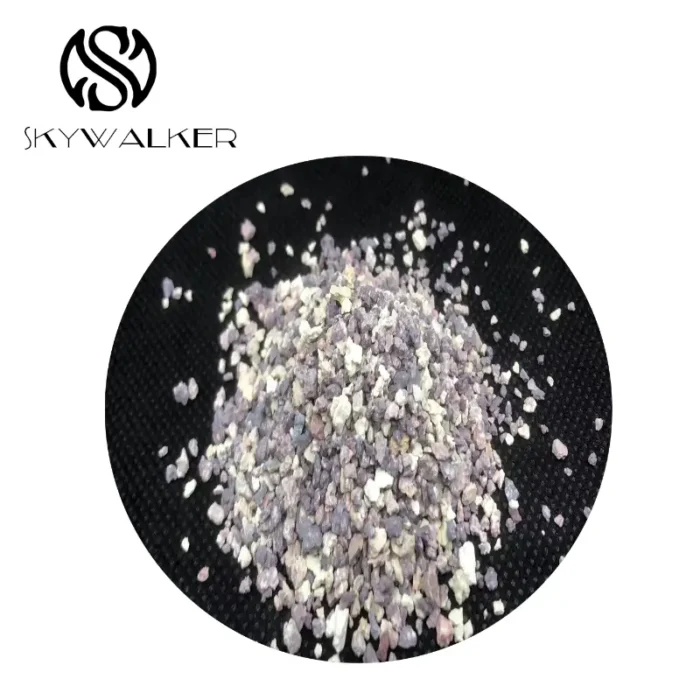
Grasping improved clarifying earth calls for a profound examination of its aspects. This uncommon material is typically practiced in the refining of vegetable oils, expertly eliminating foreign substances. The enhancement practice typically involves thermal treatment, augmenting its capturing strength to capture colored substances. Eventually, this overview will explore the mechanism behind activated bleaching earth and its purposes.
Clarifying Mineral Companies: Finding the Appropriate Vendor
Gaining a steady partner of detoxifying substance is critical for many sectors, particularly those involved in lubricant processing. Appointing the fitting distributor requires vigilant consideration beyond just sum. Examine their experience in bleaching agent delivery, their verification procedures, and their capability to consistently accommodate your demand needs. A reliable bleaching earth provider will also offer guidance and a variety of formulations to match your unique application.
An Mechanism Behind Activated Bleaching Soil
Modified bleaching compound, a cornerstone inside the refining approach for edible oils, functions through a fascinating integration of adsorption and chemical reactions. Initially, naturally occurring bentonite is activated – a strategy involving heat and substances – to drastically increase its surface scope. This expanded surface offers an immense number of areas for the precise adsorption of color pigments, blemishes, and harmful odor compounds. The mechanism is primarily molecular adhesion, where molecules are held by weak van der Waals attractions, though some chemical adsorption can also exist with certain elements. This results by a significant decrease of color and advancement of the oil's presentation and aroma.
Bleaching Soil - Attributes and Uses
Detoxifying compound, frequently called fine clay, demonstrates unique features that equip it remarkably useful across wide array of sectors. Its leading attribute is its extraordinary brightness, coming from its reduced iron concentration. This attribute constitutes it apt for tasks necessitating a bright display. Aside from its complexion, refining soil is generally supple and contains distinguished non-rigidity, making possible it to be smoothly crafted. Standard utilizations cover textile manufacturing, polymer strengthening, medical mixtures, makeup goods, and as an capacity-enhancing substance in different industrial methods. In addition, it finds application in stoneware and stain fields.
Identifying the Fitting Refined Lightening Soil for Specific Uses
Identifying activated bleaching earth the appropriate adsorbent substance can be a complex operation, as distinct applications involve different properties. Evaluate the classification of element you’re processing; some clays are optimal for natural oils, while others are designed towards nutritional fats. Parameters like openness and adsorption capacity highly influence functionality.
- Gauge the pigmentation and essence power of the element to establish the necessary whitening target.
- Inspect the spread; micro-sized particles generally yield augmented surface area, but may result in purification challenges.
- Fathom the fluid concentration as it conditions the earth’s whitening potential.
Detoxifying Mineral: Generation Systems and Management
The production of bleaching earth, a widely utilized compound for oil refining and chemical purification, involves several key phases. Initially, bentonite is obtained and then subjected to alteration via heat influence and/or chemical transformation. This process enhances the absorptive properties of the soil. Then, rigorous caliber assessments are implemented, including analyses of component size separation, petroleum adsorption capability, and wetness level. Progressive analytical tools, such as adsorption isotherm analysis and industry scrutiny, are deployed to ensure a predictable material that fulfills stringent benchmarks.
Renewable Sourcing of Processed Bleaching Mineral
The escalating demand for activated bleaching earth presents a significant challenge regarding its generation and environmental effect. Typical sourcing methods can bring about habitat destruction and drainage of natural resources. Consequently, a move towards sustainable sourcing is necessary. This involves implementing practices like land rehabilitation of mined areas, reusing waste offcuts from other industries for development, and backing native communities to protect ethical and sustainable mining conduct. Furthermore, endorsement schemes and meticulous inspection processes are imperative to confirm that the aggregate is obtained in a truly renewable manner. Concerns should also include lowering current consumption during refining and moisture usage.
- Land rehabilitation efforts
- Employing waste materials
- Cooperating with local communities
- Certification schemes
Purifying Mineral Supplier Guide: Principal Companies Listed
Selecting a reputable adsorbent manufacturer can be a problem, but our comprehensive registry aims to improve the process. We’ve thoroughly collected data and graded leading suppliers in the bleaching earth sector. This overview highlights important producers known for their merit and service, allowing purchasers to discover the leading source for their specialized needs. Diverse factors, including output volume, selection, and evaluations, were scrutinized in determining these best grades.
Understanding Activated Bleaching Earth Performance Metrics
To properly gauge the standard of activated bleaching earth, it’s vital to apprehend key productivity metrics. These benchmarks often include color scale, typically measured using a analyzer, which exhibits the earth’s ability to filter color from oils. As well, acid number is vital, as it influences the bleaching process; a higher amount usually correlates with improved bleaching capabilities. Finally, adsorption area, often determined via BET analysis, directly impacts the earth’s capacity to adsorb colorants, ultimately determining its overall detoxifying performance.