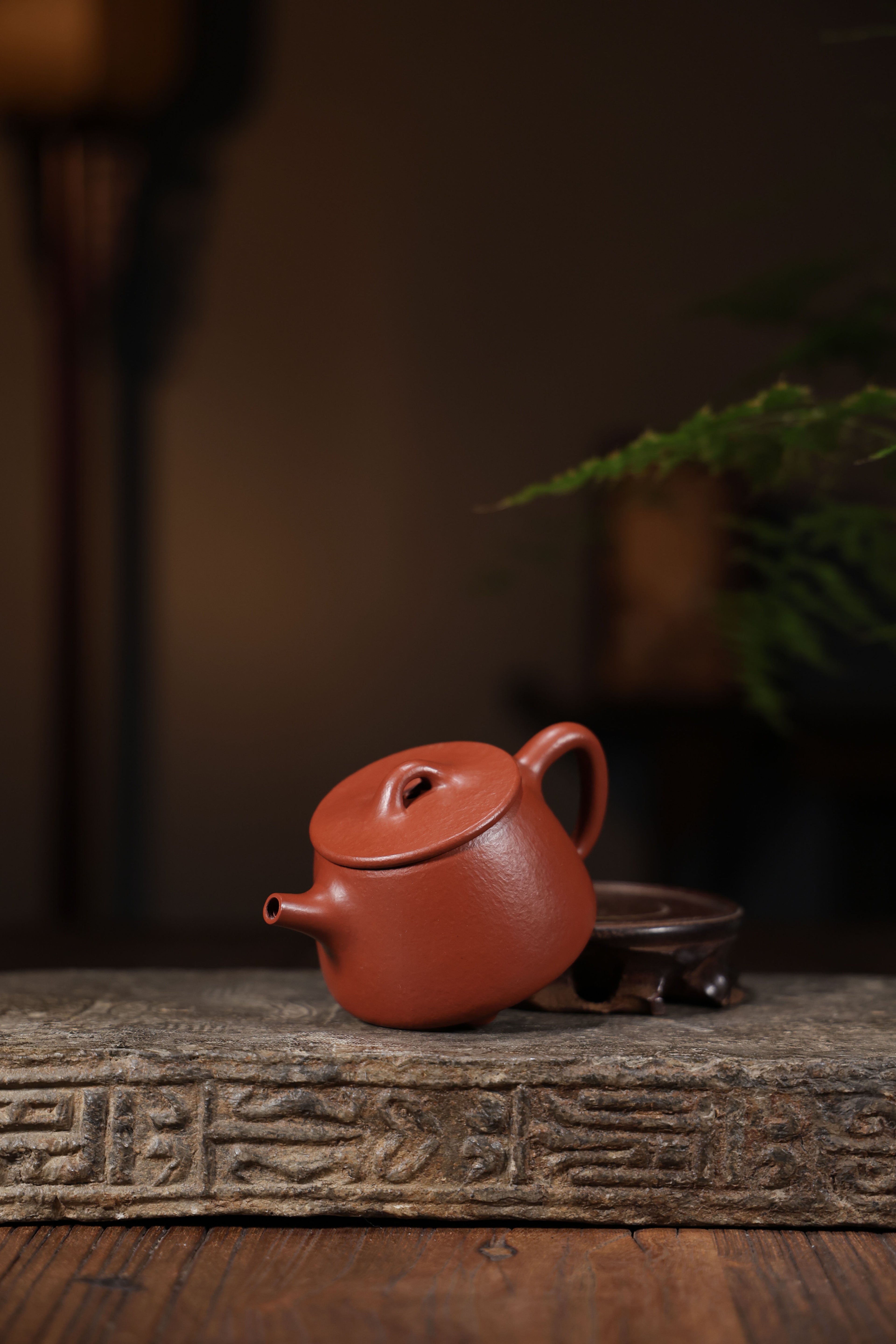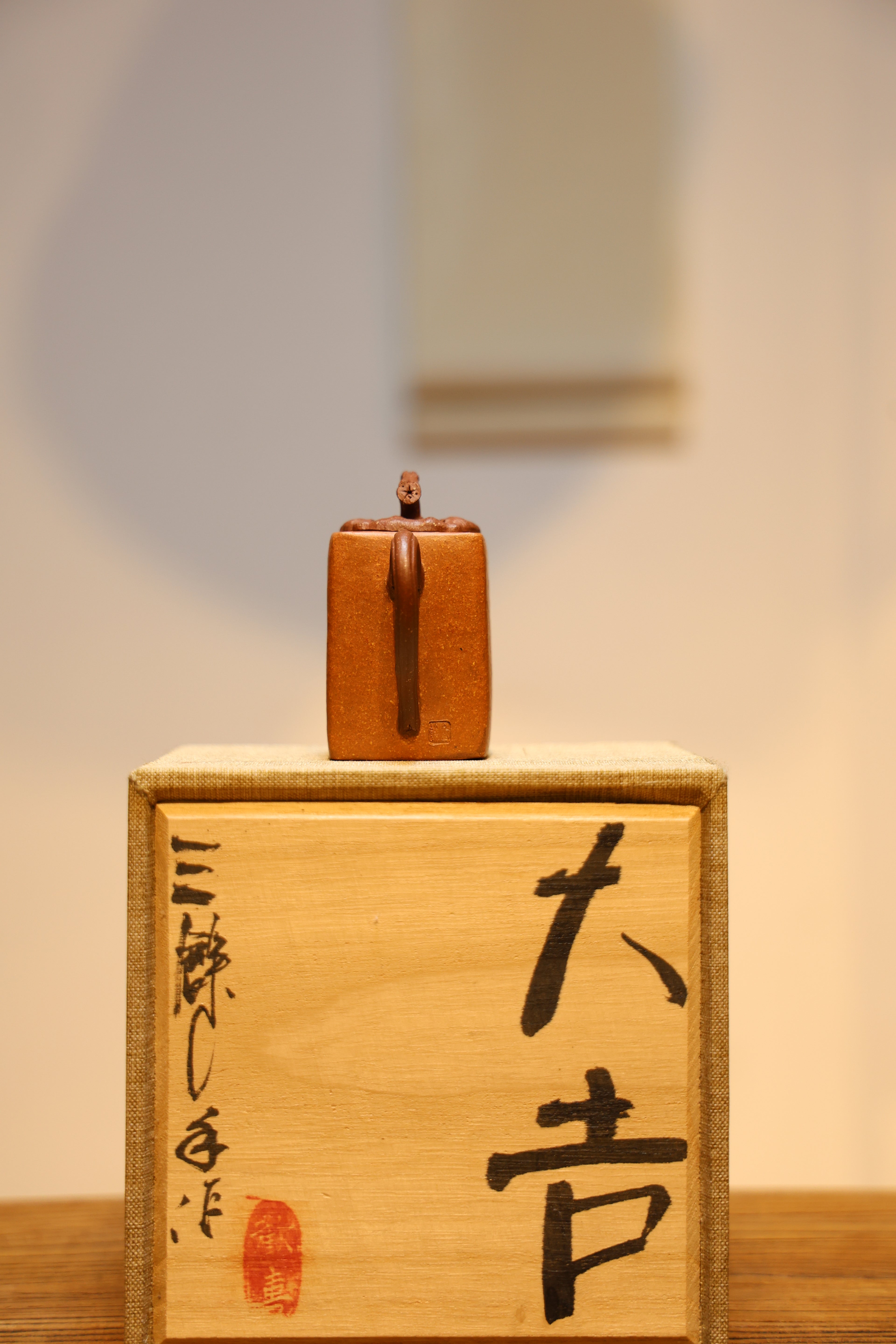
Enduring lineage defines Jiangsu ceramic pots around centuries,
Showcasing rare features sourced inside regional plum minerals, such flasks accumulate a layer during consumption, heightening zest extracted from brewed teas.
Comprehending Yixing Soil: Thorough Insights into Zisha
Numerous connoisseurs admire the unique texture of Yixing mulberry clay, a linchpin of enduring Chinese craft. Springing from the Yixing region of Jiangsu province, this exquisite clay presents an fine mineral constitution, what provides outstanding qualities to the realized items. Classes within Zisha, including Jiang Mud, Duan Ni Mud, and Jiang Xi Mud, each presents different colors, materials, and processing traits, modifying the airflow and the conclusive taste refinement of the elixir.
Oriental Vessel Traditions: Interpreting Technique
Sino teapots embody more mere urns for liquid; they embody centuries of inherited craft. From the famous Yixing clay variations, respected for their porous nature which delivers unmatched flavors to the extract, to the subtle porcelain from Jingdezhen, each piece tells a legend of commitment. The making process is an elaborate undertaking, often transferred through clans of artisans. These makers use classic techniques such as hand-building, carving on wheels, and decorating, demonstrating profound reverence for the matter and the practice itself. Visualize the devotion invested in each piece as a symbol of Chinese tradition legacy.
- Eastern clay urns: a famous assortment.
- Porcelain teapots: acclaimed as their fragile design.
- Modeling techniques: a demanding yet beneficial procedure.
Yixing Zisha Pot Care: Safeguarding Your Treasure
Appropriate support of your unique Yixing Zisha flask is essential to securing its value. Crafted from famous purple sand compound, these exquisite teapots acquire a glossy patina after handling, notably boosting their allure. Shun cleaning agents; a careful rinse with lukewarm fluid is effective. Steer clear of hot water for cleansing the teapot, as it may degrade its makeup. Allow it to dry naturally away from bright natural light. Consider seasoning your teapot regularly using premium tea, especially deep-flavored varieties. Here is a brief manual:
- Wash off with warm fluid.
- Resist solvents.
- Allow it to dry fully.
- Condition with excellent tea.
Roots of Yixing Teapots: Foundational Periods
The story of Yixing teapots begins simply during the Song dynasty, about the 16th epoch. Initially, these earthenwares were not the treasured objects they are perceived today. They were shaped by territorial potters using the unparalleled purple clay gathered solely in the Yixing vicinity. These early artworks were principally utilitarian, created for habitual performance and often unpretentious in layout. It was not until the successive dynasty that they triggered to earn reputation beyond mere utilitarian ceramics.
Opting For the Proper Zisha Pot: A Starter's Explanation
Starting the arena of Yixing teapots can be discouraging, but refrain from doubting! For newcomers, the primary factor is understanding the mud. Certified Yixing clay is prized for its transparency, allowing the teapot to take in the tea's aroma over time, enhancing every developing session. Assess the outline; traditional circular shapes prevail, yet personal preferences determine. Lastly, scrutinize the coating—while some favor an unfired appearance, others appreciate a nuanced gloss. Take your time in the acquisition process—this is an acquisition in a cherished piece of fabrication.
Chinese Purple Containers and Their Influence on Chinese Brew Heritage
Zisha teapots, born from Yixing, China, have profoundly affected classic Chinese brew culture. Those Yixing clay teapots, prized for their characteristic cast, surface, and exceptional ability to impart a subtle flavor to the liquid, are more than mere utensils; they are respected works of art and symbols of greatness. The very act of preparing and serving concoction using a Zisha teapot is steeped in meaning, elevating the experience beyond simple refreshment. Generations of artisans have evolved their techniques, passed down through bloodlines, resulting in highly admired pieces. Hence, Zisha teapots are frequently valued, playing a crucial part in cultivating regional appreciation for aesthetics and the custom of Chinese Teapot infusion ceremonies.
- Distinctive Clay Composition
- Bestowing Subtle Flavor
- Fine Craftsmanship
Detecting Authentic Exceptional Yixing Pots
Finding a legitimate Yixing teapot can be a fruitful experience, but the trade is often flooded with replicas. Discerning between a true antique and a new reproduction requires exact inspection. Key signs include the clay's auburn shade, often displaying tiger skin marks, and the shortage of modern firing imprints. The design should exhibit natural refinement, reflecting the traditional Yixing manner. Finally, reviewing the potter's seal is fundamental to verify authenticity against recognized citations.
- Assess the clay's fabric.
- Look for blemishes, indicative of custom quality.
- Employ an expert for appraisal.
Collecting Yixing Ceramic Vessels: A In-Depth Instruction to Zisha Evaluation
The domain of Zisha Zisha crafts exhibits a unique venture for savvy supporters. Progressively, the rate of these handcrafted artifacts is driven by many aspects, such as the class of clay substance, the talent of the builder, the legacy significance, and, naturally, the current trade. Newcomers should prioritize on researching the diverse categories of Zisha clay—such as Glacial, Quiet Jug, and Crimson Soil—and studying the properties linked to each. Exact analysis of the container's figure, shade, and stamp is further crucial to make informed decisions when investing.