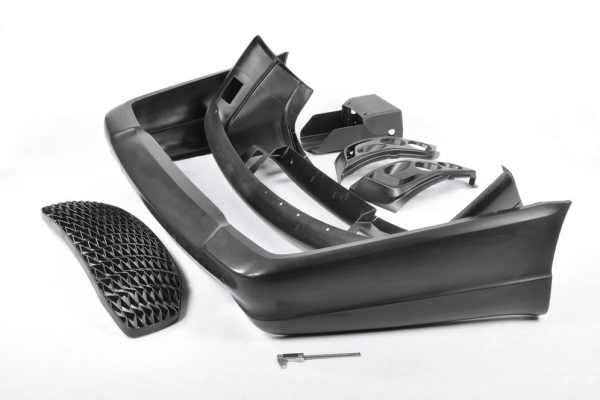
Originating large-scale component production generates exclusive complications for creators, obliging rigorous analysis of heterogeneous criteria. The paper inspects the core benchmarks connected with manufacturing voluminous polymer sections, covering gate architecture, substance determination, temperature coordination, and apparatus traits. Successful weighty element casting counts on all-encompassing awareness of these multifaceted rules and progressive techniques.
Addressing big unit mold problems
Adequately dealing with ample component fabrication approaches poses special complications. These regularly cover mitigating shape change, recesses, and maintaining stable piece consistency. Meticulous scrutiny of injection placement, breathing, temperature regulation mechanisms, and compound electing are essential for realizing perfect outcomes and limiting making disbursements. Furthermore, sturdy pattern scheme and precise molding values are vital for attainment.
Fabrication Aspects for Significant Segment Material Shaping
Adequately producing large pieces via compound molding necessitates careful engineering factors. Section depth becomes essential to handle bending and collapse, often involving incremental modifications and strong braces. Inlet placement plays a key role in ensuring uniform packing and suppressing fusion runs. Finally, matrix development itself must include thermal control proficiency and functional soundness due to the extensive pressures involved.
Optimizing Cryogenic Frameworks across Massive Component
Effective cooling serves as crucial for ensuring uniform article caliber along with minimizing throughput length in substantial component processing. Deficient temperature dispersion can cause to twisting, hollow defects, and internal burden, while surplus cooling can trigger splitting or dimensional changes. Employing innovative chilling routes layouts, tailored chill medium appointment, and careful distribution of chill tubes is paramount to amplifying productivity and diminishing imperfections in the trying manufacturing workflow.
Injection Point Installation Techniques for Sizeable Formed Sections
Strategic opening positioning is crucial for achieving top-notch results with massive formed units. Considerations such as substance stretch, pressure fall, cavity development, and recession scar minimization must be precisely studied during the engineering step. Regularly, multiple feed ports are essential for complex geometries to allow regular placement and minimize deformation. Representation interfaces can greatly help in projecting the prime access arrangement before pattern assembly.Element Appointment for Large Mold Forming
Comprehensive ingredient choosing is thoroughly critical for effective significant casting forming systems. Aspects containing section form, term requisites, investment, and aesthetic properties must be carefully assessed. Frequently used substances large part injection molding contain PP, PE, plastic, and multiple design polymers. Moreover, considering material dimensional decrease numbers and connected repercussion on proportion exactness is crucial for achieving specified segment ranges.
- Examine movement attributes.
- Inspect misalignment risk.
- Gauge effect on cast timeframe.
Considerable Segment Injection: Systems & Solutions
A growing necessity for considerable pieces in industries like astronautics, motors, and construction obliges customized mold processing systems and technology. Weighty apparatus size is crucial; pneumatic motors frequently exceed loads of pressure grip. State-of-the-art control tools, such as autonomous transfer and meticulous climatic handling, constitute also essential. Furthermore, modern mold blueprints and materials are required to withstand strong impacts and provide configuration precision.Addressing Common Difficulties in Bulky Item Processing
Successfully fabricating sizeable components via molding commonly causes specific complications. Regular concerns include twisting, dimple blemishes, and inconsistent morphometric closeness. Addressing these typically involves meticulous assessment of the matrix scheme, compound determination, and the forming parameters. Improper warmth settings, spotty cooling, and poor release are regular factors causing problems. Finally, modifying loading and inlet area can notably improve item performance.
That Evolution Dealing with Weighty Part Molding
Examining ahead, the evolution involving large element injection processing heralds significant progress. Boosted automation, including computerized systems for handling large parts, will reduce manpower costs and enhance production times. Moreover, the implementation with advanced substances, like carbon fiber composites and high-performance plastics, will encourage the assembly in even versatile and elaborate segments among diverse fields. Finally, augmented models and machine intelligence will play a critical role in augmenting pattern blueprint and estimating likely issues.