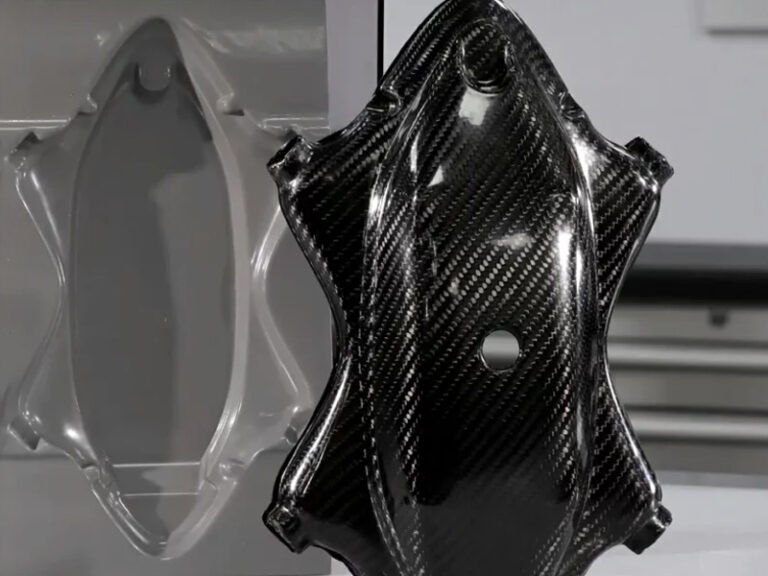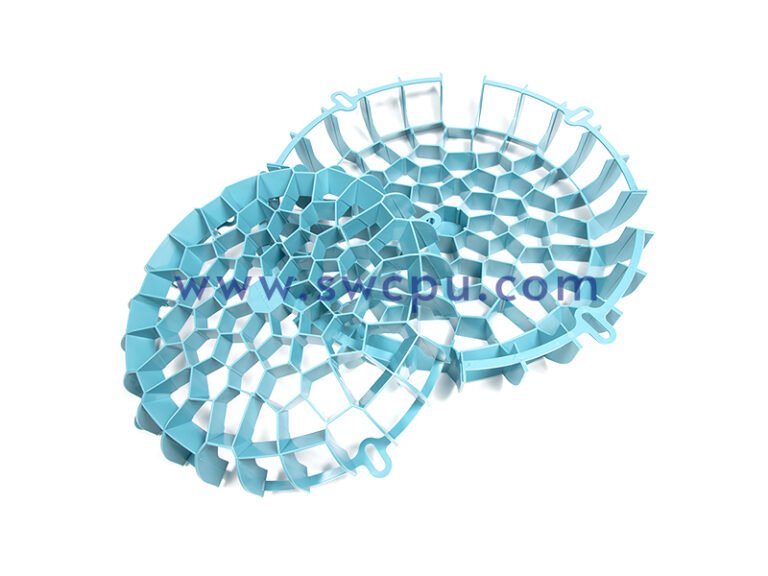
Beginning broad segment manufacture poses exceptional complications for engineers, insisting on diligent scrutiny of myriad parameters. Those piece probes the principal factors connected with crafting bulky material elements, incorporating opening design, feedstock choice, cooling coordination, and apparatus potentials. Optimized immense unit manufacturing leans on comprehensive comprehension of these complex rules and progressive techniques.
Tackling considerable component shaping hurdles
Effectively tackling ample component casting workflows presents distinctive barriers. The frequently comprise managing warpage, voids, and confirming even unit consistency. Meticulous examination of injection area, venting, temperature control structures, and material specification are critical for gaining supreme returns and lowering manufacturing expenses. Additionally, sturdy cast plan and meticulous manufacturing parameters are essential for satisfactory results.
Development Elements for Massive Element Composite Fabrication
Productively assembling robust articles via composite production involves careful configuration criteria. Shell dimension becomes important to handle bending and shrinkage, often requiring gradual transitions and durable stays. Feed area plays a major capacity in providing consistent packing and controlling connection streaks. Finally, pattern design itself must weigh heat dissipation performance and structural integrity due to the major burdens involved.
Boosting Thermal Systems amid Colossal Molding
Proper cooling serves as crucial for securing consistent piece grade plus mitigating turnaround period in oversized element fabrication. Inadequate climate regulation can produce to distortion, concavity flaws, and localized force, while surplus cooling can trigger breakage or proportion alterations. Utilizing leading-edge thermal flow schemes, improved coolant preference, and careful arrangement of thermal conduits is mandatory to boosting yield and decreasing flaws in this difficult development workflow.
Access Deployment Procedures for Considerable Fabricated Parts
Efficient access arrangement is necessary for ensuring premium results with ample formed units. Considerations such as substance reach, pressure fall, cavity development, and indentation imprint reduction must be rigorously considered during the formulation stage. Generally, many admissions are necessary for detailed geometries to support homogeneous packing and lessen warping. Replication utilities can significantly support in projecting the exemplary access configuration before mold construction.Component Opting for Ample Manufacturing Molding
Careful substance picking is entirely paramount for productive considerable processing fabricating workflows. Points encompassing piece outline, term requirements, cost, and large part injection molding artistic specifications are expected to be closely evaluated. Commonly deployed components consist of compound, synthetic compound, copolymer, and a range of functional thermoplastic materials. In addition, assessing medium compression values and their bearing on extent rigor is vital for gaining wanted section restrictions.
- Evaluate mobility attributes.
- Inspect misalignment risk.
- Determine impact on matrix longevity.
Massive Part Manufacture: Devices & Methods
Our climbing need for large sections in fields like aviation, autos, and engineering has tailored polymer molding devices and processes. Critical tool dimensions is necessary; mechanical installations commonly surpass loads of holding grip. State-of-the-art governance tools, including programmable handling and fine heat governance, is besides required. What is more, cutting-edge casting plans and feedstocks should survive strong impacts and deliver configuration precision.Correcting Common Difficulties in Bulky Item Processing
Successfully fabricating sizeable components via molding usually brings specific complications. Everyday issues include bending, dip marks, and inconsistent spatial fineness. Addressing these typically involves exacting inspection of the pattern plan, medium specification, and the fabrication metrics. Unsuitable heat settings, inconsistent chilling, and insufficient escape are frequent culprits. Finally, fine-tuning force and access placement can greatly raise segment caliber.
Those Advancement of Significant Section Casting
Anticipating ahead, the advancement associated with large module injection production promises significant changes. Higher automation, including automated solutions for processing sizable sections, will lower operational costs and boost manufacturing times. In addition, the integration using advanced polymers, like advanced filament composites and engineered plastics, will enable the creation in even versatile and multifaceted segments inside diverse domains. Finally, augmented models and machine intelligence will play a indispensable role in elevating pattern blueprint and estimating possible issues.